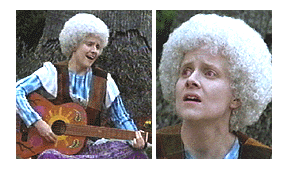
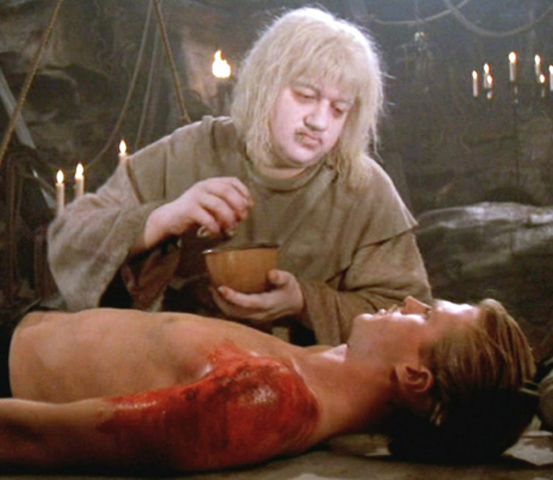
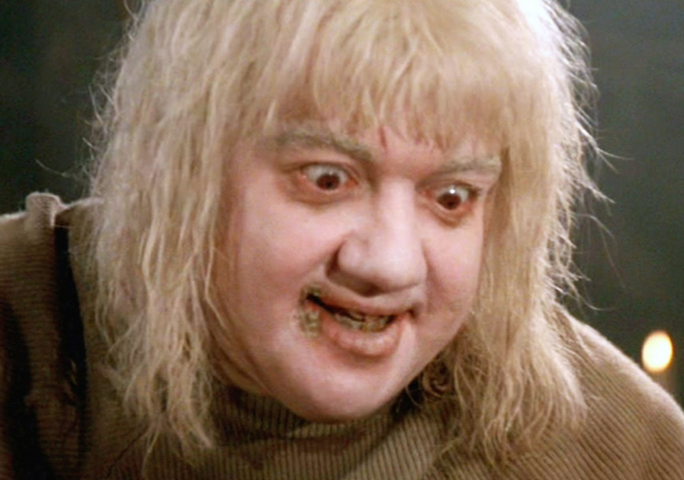
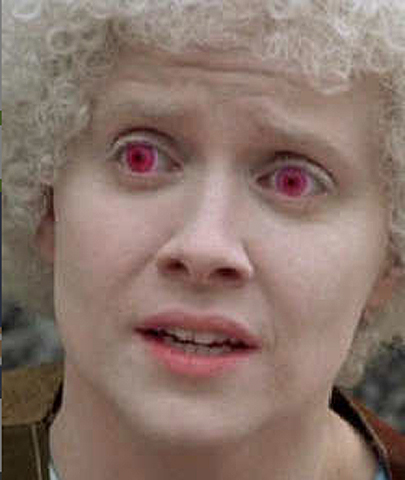
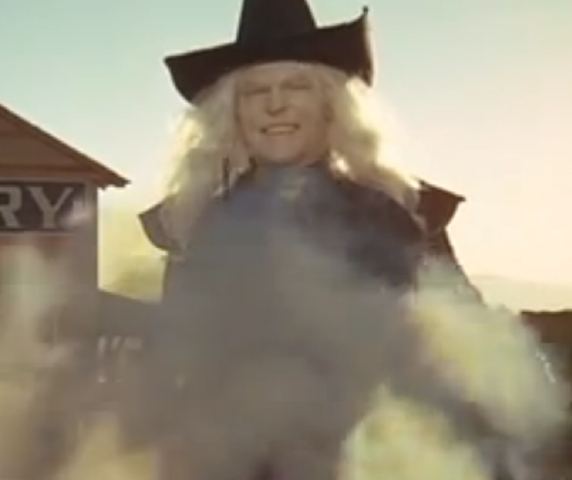
Another skin condition common to movie villains is the genetic condition albinism.

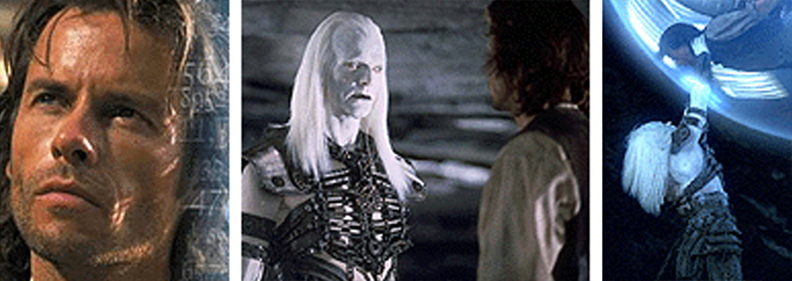
Explosive sounds and a pounding soundtrack, the 2002 remake of the science fiction classic "The Time Machine" catches the attention of the audience. Chameleon actor Guy Pierce portrays the Victorian inventor who creates a device to carry him to the future. Quick shots of futuristic locales are followed by scenes of threatening monsters. Finally, the villain of the future reveals himself with vicious passion. White haired, skin a gleaming alabaster, his pupils nearly colorless, he turns out to be albino. After terrorizing our hero, the colorless creep grabs Pierce even as the Machine departs for another era. His arms are torn off--a violent end which appears typical of characters with albinism.
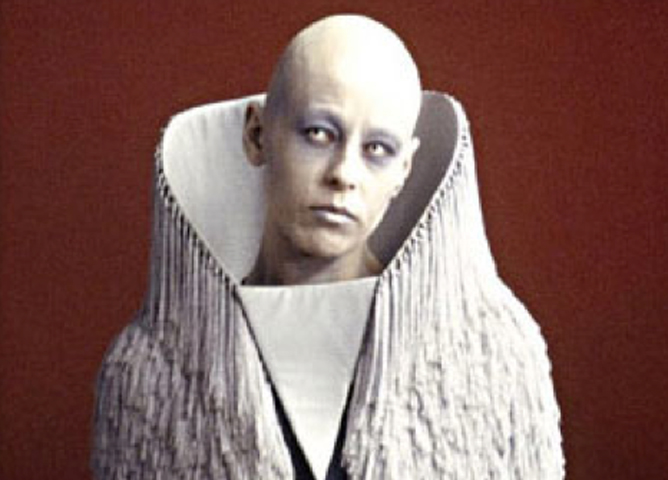
In Episode II of the Star Wars series, "Clones R Us," we are treated to brief glimpses of this hairless, pigment-free alien. Hailing from a dark planet, she also appears albino. Rather than being cast as a heroic Jedi, she is in cahoots with the villainous Republic and evil Chancellor Palpatine. Hmmmm, another villain with albinism. Is this a #trend? It turns out that showing malevolence by giving characters colorless skin is in no way novel. How did Hollywood develop such a distaste for albinism?
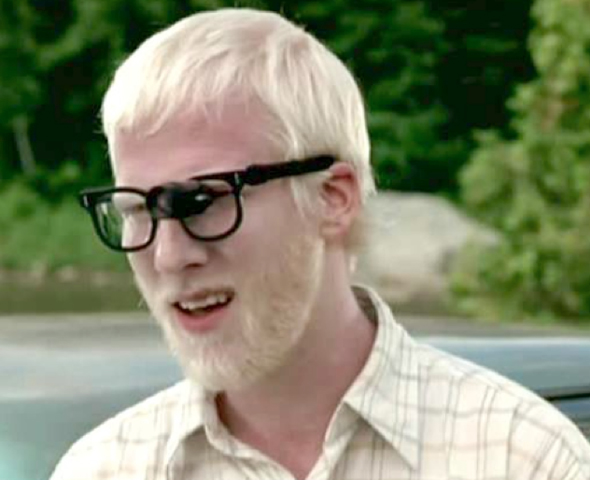
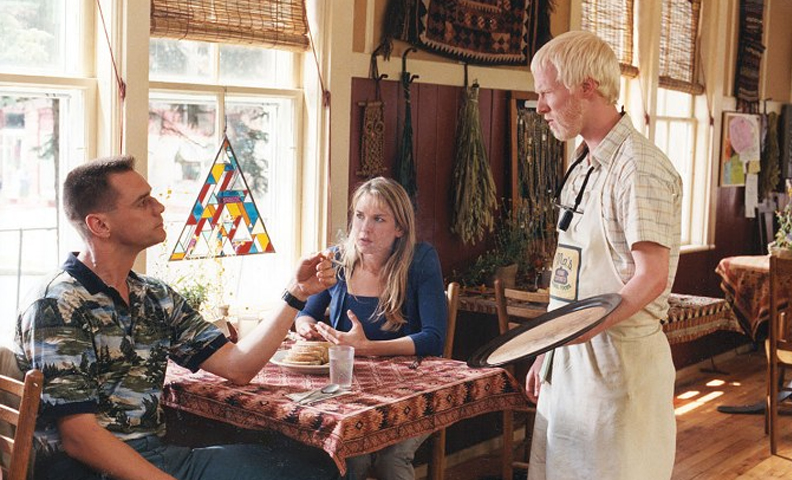
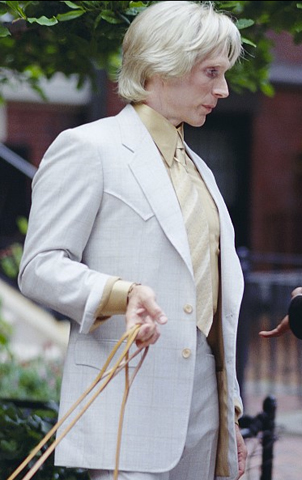
Albinism is a rare inherited genetic disorder that limits pigment production in the skin, eyes and hair. Affected people have blonde to white hair, extremely fair skin and light eyes. Due to their lack of pigment, they are susceptible to severe sun burns and skin cancer. Also, normal pigment production is crucial to development of vision. Therefore, most people with albinism are visually impaired and many are legally blind. Actor Michael Bowman, who actually has the condition, is seen here in the comedy "Me, Myself & Irene" (2000). He is using a teloscopic visual aid. People with albinism do not have any greater propensity to evil...except in movies.
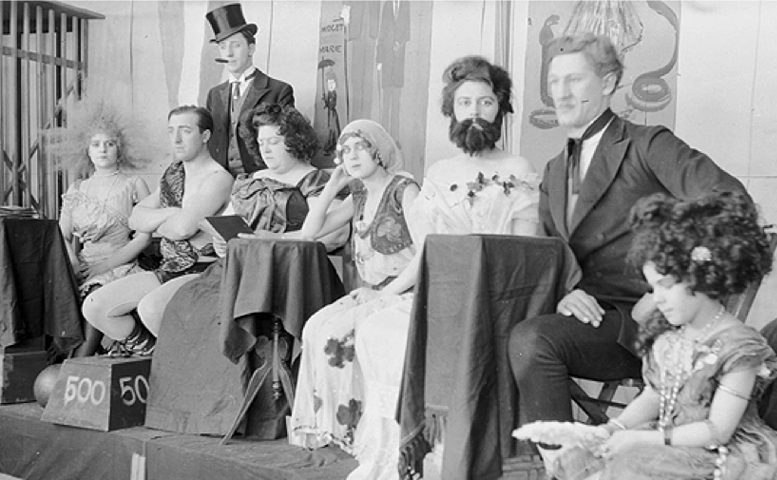
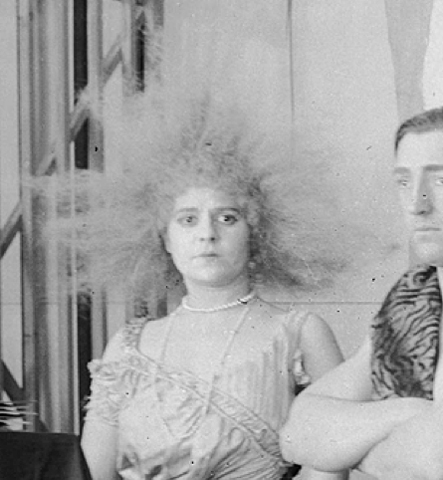
The roots for these albino stereotypes run deep. The earliest example that we could find of a movie character with albinism is "The Star of the Side Show", a black and white silent short from 1912. The film follows a troupe of circus "freaks" including a Giant, a Midget, a Bearded Lady and, to the far left, "The Albino."
While not a villain, this character obeys several "rules" that appear to govern movie characters with albinism. She is not given a name other than being called "The Albino." The actress, Bertha Blanchard, does not have the condition. She is coated with whiteface makeup and dons an ivory-colored fright wig. To top it off, she is dressed entirely in white.
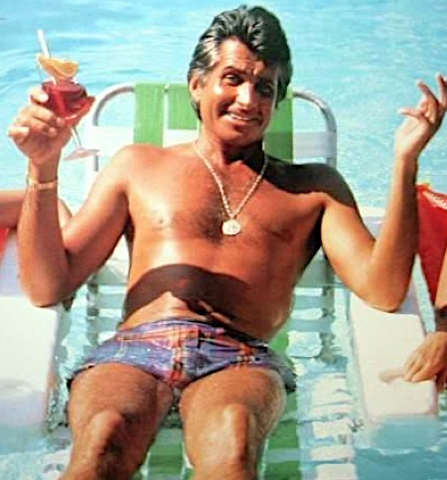
By the 1960's and 1970's, characters with albinism show up as bad guys. We don't believe this is a coincidence. During this era, tanning was considered fashionable and healthy, and the pre-leathered look thought to be glamorous. Actor George Hamilton, known more for his tanning than his talent, is shown soaking up sun damage. The opposite of the bronzed visage: pale skin. And fair skin taken to the extreme? Albinism. What might seem more abnormal than someone for whom tanning is impossible?
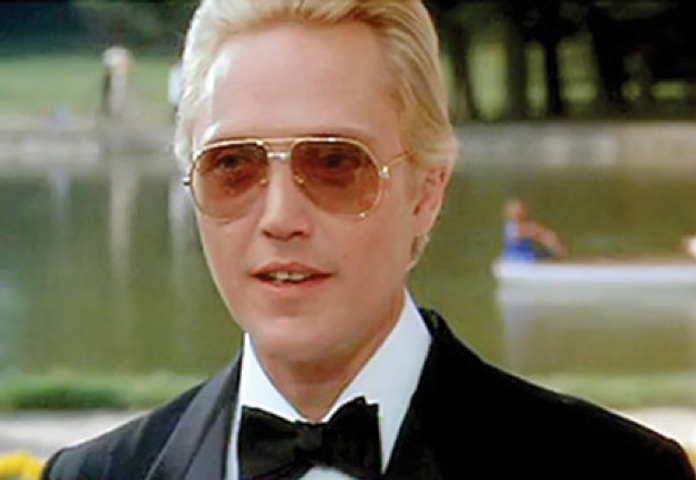
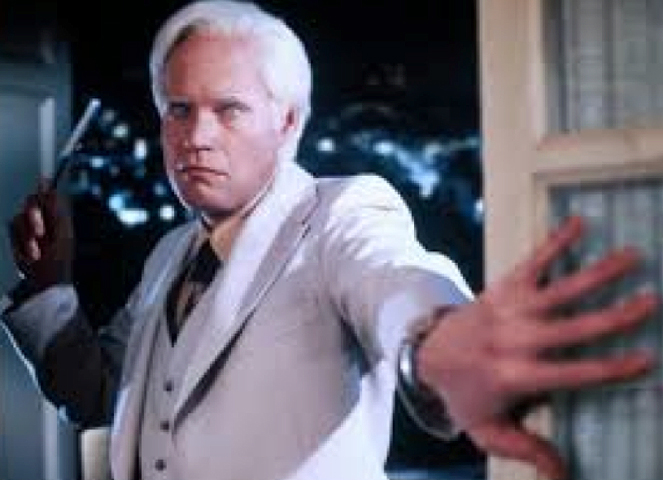
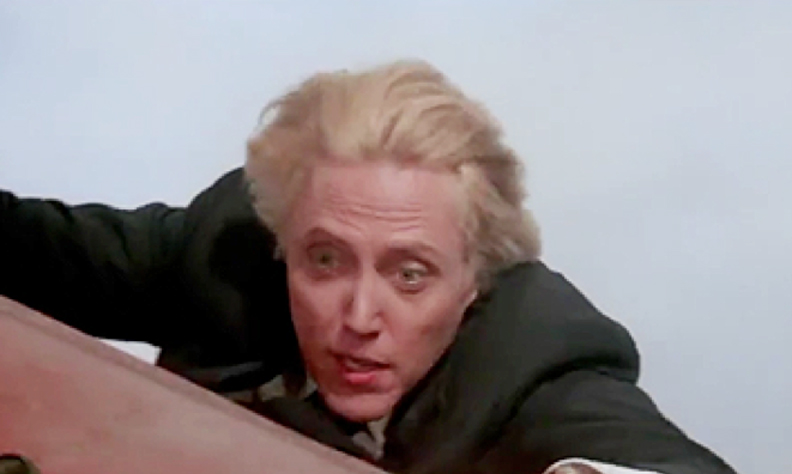
Skin conditions have long been used to illustrate evil characters in movies. A scar, a bald scalp, multiple tattoos, these are visual shorthand for cinematic bad guys. Given budget constraints, albinism is an inexpensive condition to recreate: white makeup, an alabaster wig, some red contact lenses--and voila! Instant adversary. Here is Christopher Walken as Bond villain Max Zorin from "A View to a Kill" (1984).
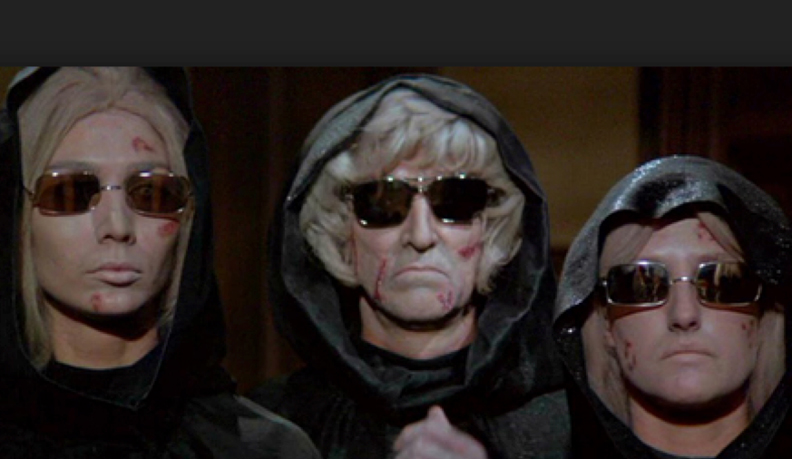
Increasingly since the 1960's characters that are explicitly said to be albino, or just have very fair skin and hair, cropped up on-screen, like this bunch from apocalyptic sci-fi classic, "The Omega Man" (1971). Though we at skinema are not usually susceptible to conspiracy theories, we suspect that film makers have actually devised a list of rules governing roles with albinism. Not a believer? Just take a gander the examples below...
Hollywood’s unwritten rules for characters with albinism. In general, movie characters with albinism…
1. Are violent and make excellent assassins
Characters with albinism never play a normal leading man or ingenue. Only rarely do they represent comic relief. Usually, they are merciless hit men.
Moki, the ruthless criminal from "Stick" (1985), gets his kicks by shooting partners in the back, and punching and cutting women. Because folks who genetically lack the ability to produce skin pigment look so different than pigmented people, film makers tend to dehumanize albino characters. So these characters routinely act in a repellent fashion. Moki is not alone..
This use of movie albinos as assassins can be traced back to the successful Chevy Chase and Goldie Hawn comedy, "Foul Play" (1978). Character Whitey Jackson has been hired to kill the pope. Nice guy.
This started a trend of albino assassins that continued for years. This hulking killer chased Tom Cruise in "The Firm" (1993).
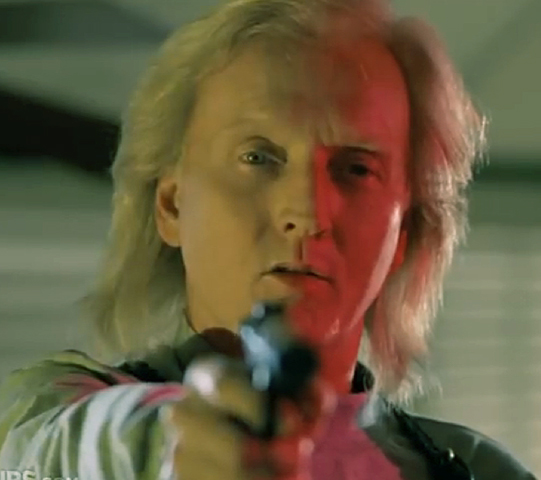
Gary Busy in "Lethal Weapon" (1987) prepares to fire from a helicopter. Not only are they typically portrayed as remorseless, ruthless, and coldhearted, but movie albinos act as snipers with precise aim. The irony is that many people with albinism have vision problems, so it is unlikely that these characters would be hired as sharpshooters!
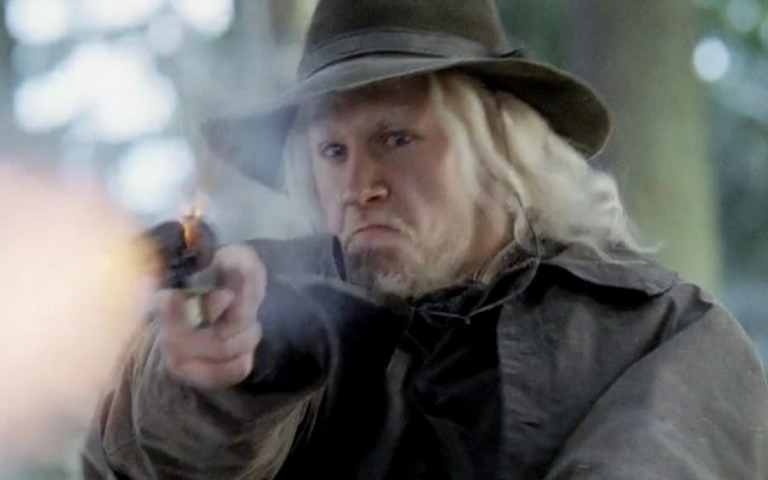
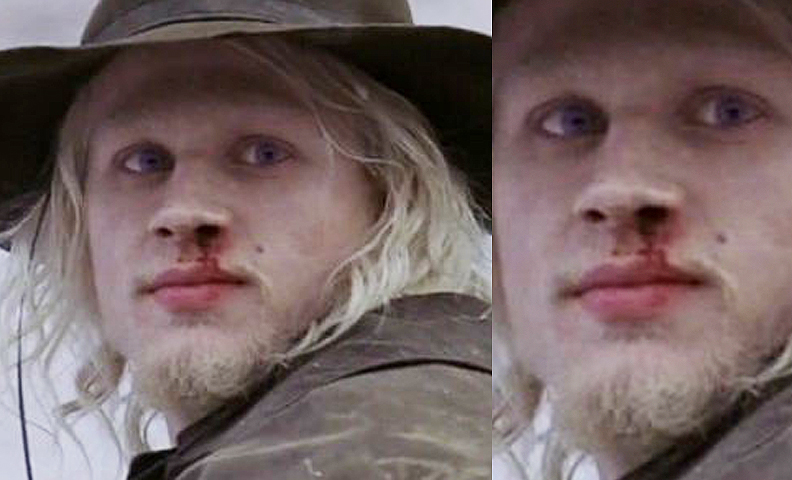
Bosie in "Cold Mountain" (2003) is a ruthlessly vicious killer. In the book version, he was not specifically albino. The film was nominated for 7 Academy Awards, but not Best Picture. Yep, that's actor Charlie Hunnam of "Sons of Anarchy" under the white face makeup.
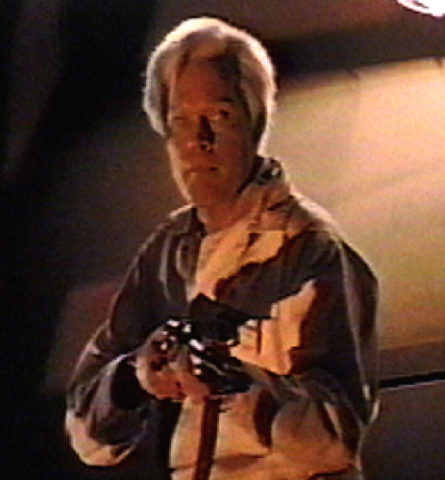
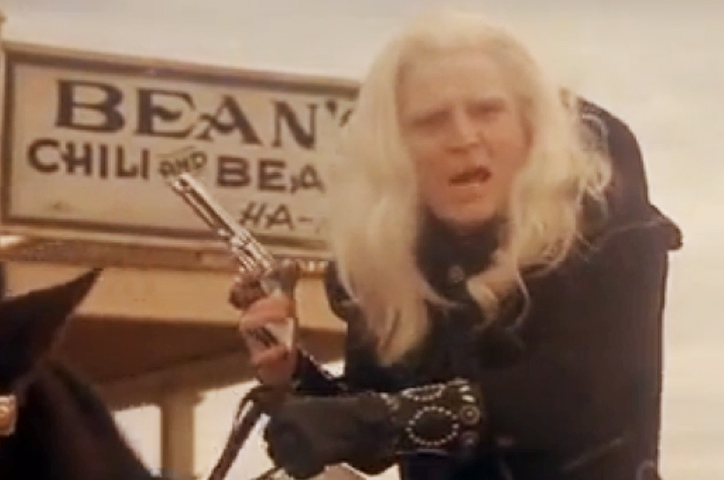
If one assumes that characters with albinism have no morals, then why not hire them to kill people? In "The Life and Times of Judge Roy Bean" (1972), actor Stacy Keach shoots up the town as the murderous "Bad Bob."
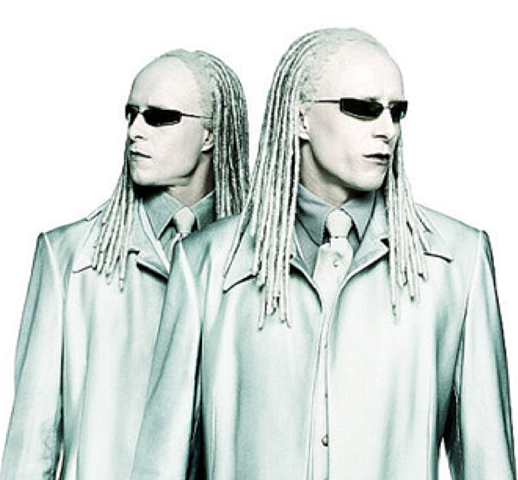
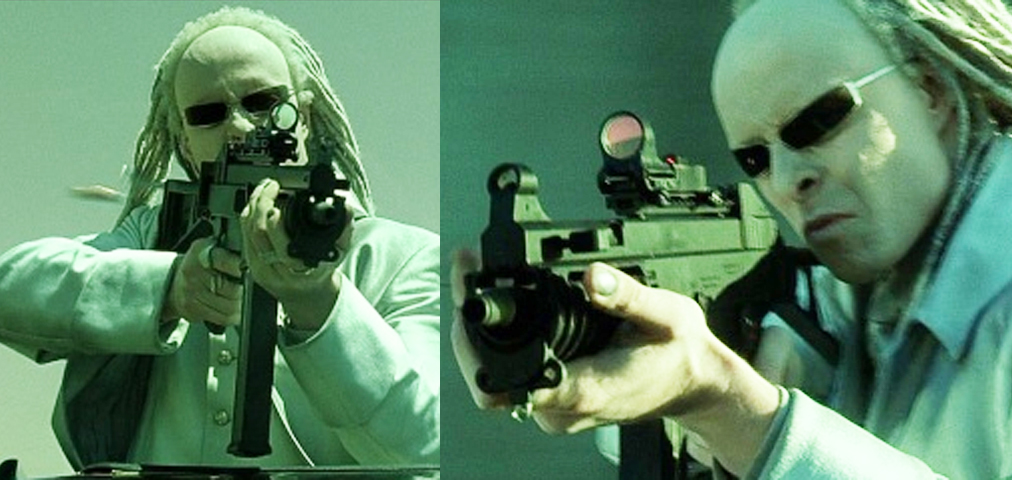
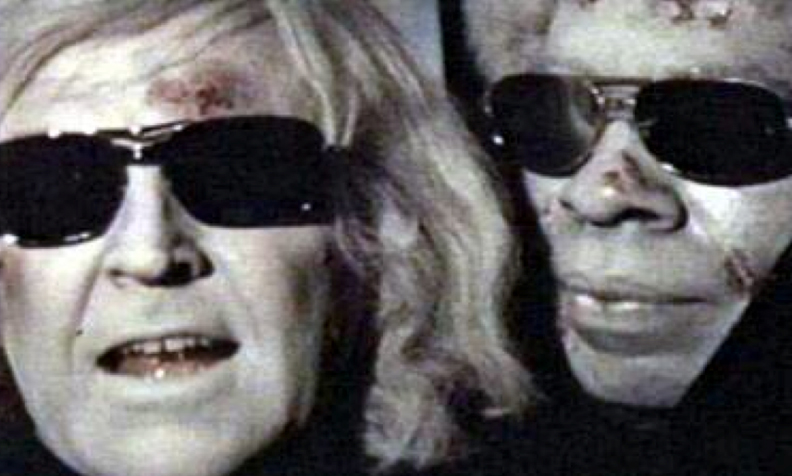
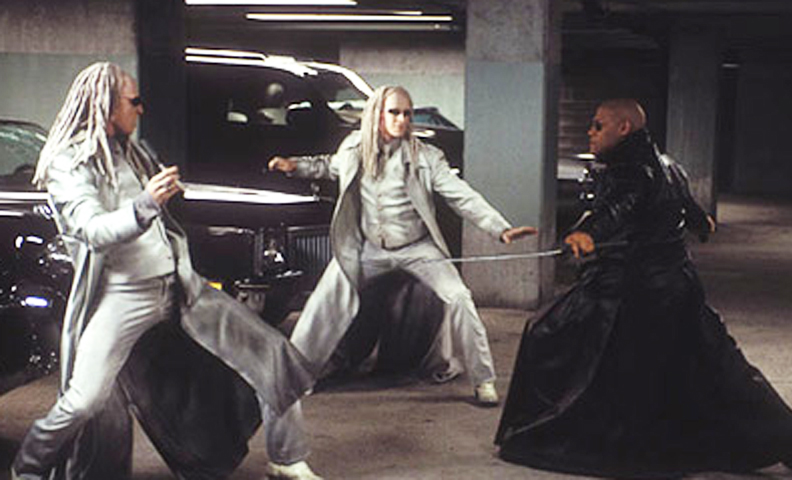
The Twins of "The Matrix Reloaded" (2003) drive around at high speeds, firing off countless rounds. After the film makers were criticized for adding two new evil albino characters to the list, they claimed that they were ghostly vampires instead of having albinism.
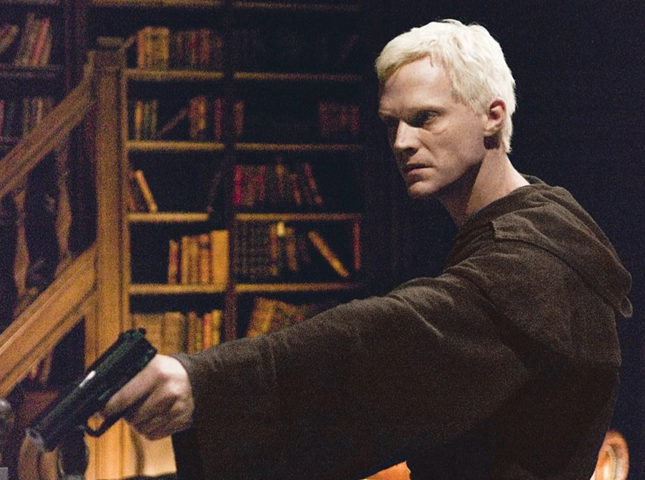
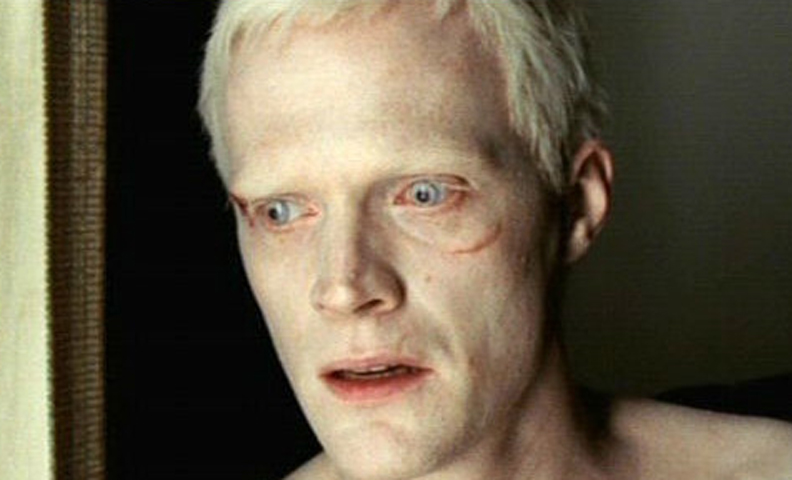
The "Da Vinci Code" (2006) stars Paul Bettany as Silas, the most intimidating, murderous, self-flagellating albino monk you'll never meet.
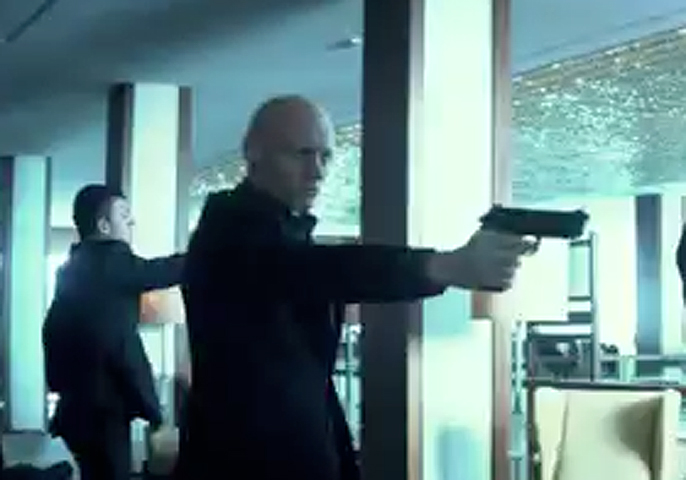
A more recent example is from the Kevin Costner action flick, "3 Days to Kill" (2014). Note the hairless look of this killer, more on that later...
2. Are scary
Even when not firing off a shotgun, characters with albinism are portrayed as threatening, menacing spooks. "The Omega Man" (1971) stars a whole race of ghostly ghouls. In a nod to reality, these folks are sensitive to light. But sunglasses indoors and at night? Only for movie albinos...
In "Freefall," (1994) this fellow, creatively called "Albino," drugs the film's heroine.
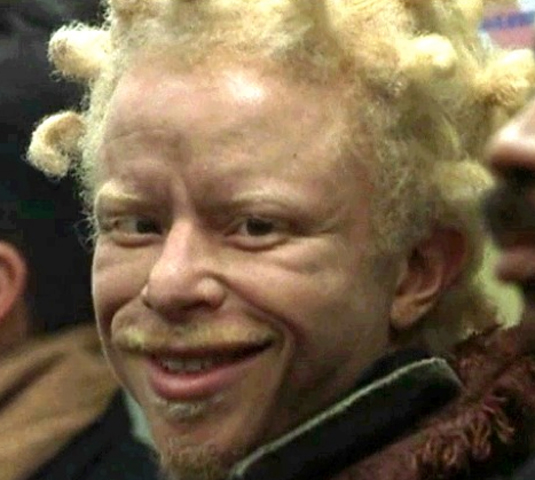
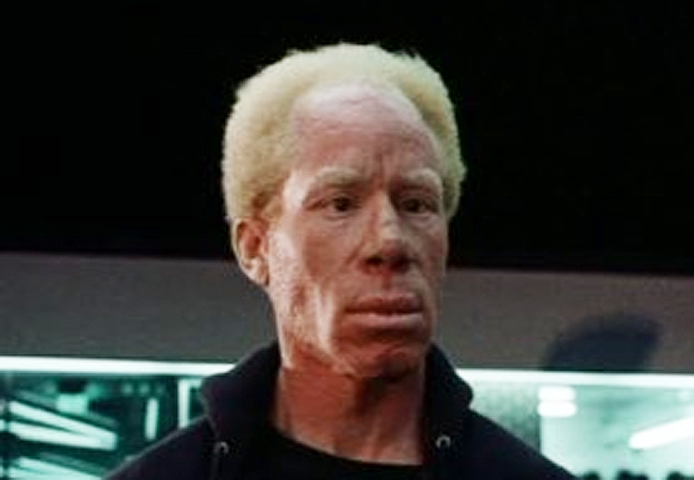
In "End of Days" (1999) this dred-locked character makes frightening comments and then shatters into pieces. This is one of comedian/actor/director Victor Varnado's first movie roles. Unlike a lot of the examples shown, this actor actually has albinism.
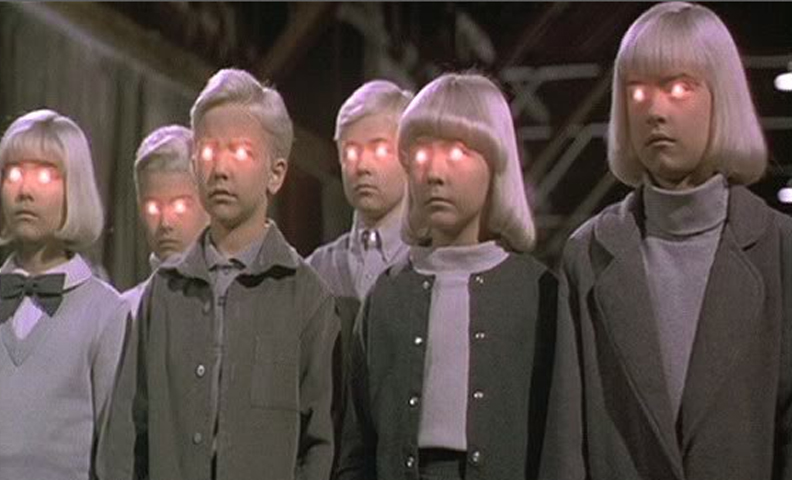
The silver-haired and fair skinned kids of the "Village of the Damned" (1995), don't need guns to freak out audiences.
"Messiah of Evil" (1973) features this fellow, listed as "Albino Trucker." The actor is African American and has albinism. The condition can occur in men, women and in all races. The character listens to Wagner and eats a rat. Spooky.
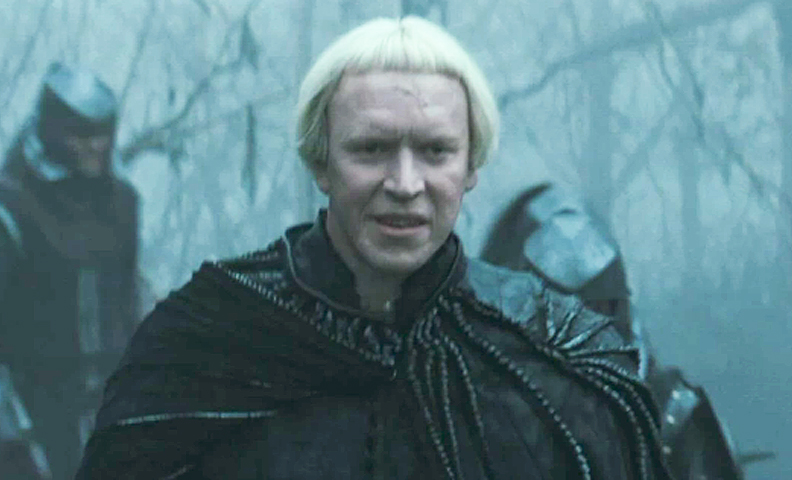
The evil queen's brother in "Snow White and the Huntsman" (2012) is a violent, spooky creep. The siblings have an overly affectionate, nearly incestuous relationship.
And his page boy bowl cut is downright sinister.
According to Hollywood, while other species can also have albinism, such as this alien Klingon from the "Star Trek Next Generation" TV series, evil is universal.
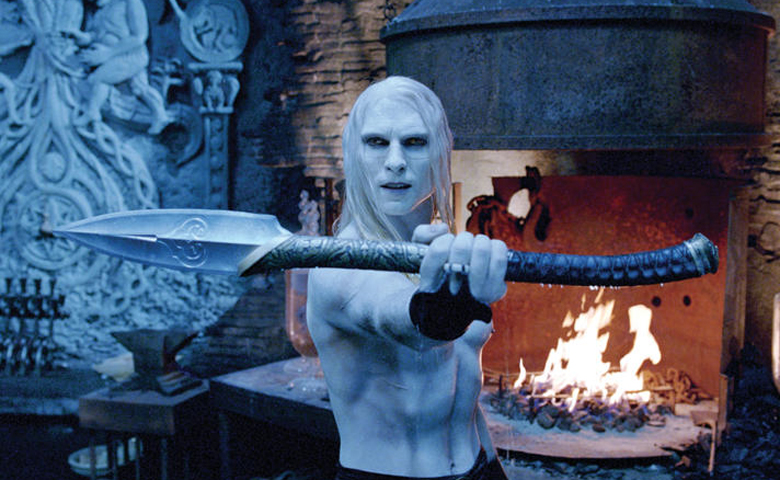
In "Hellboy II: The Golden Army" (2008), Prince Nuada, an elf in need of sunscreen, nearly destroys the world.
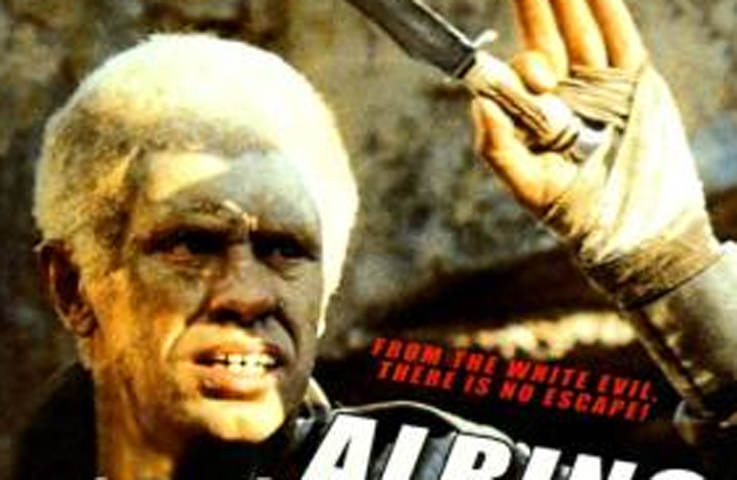
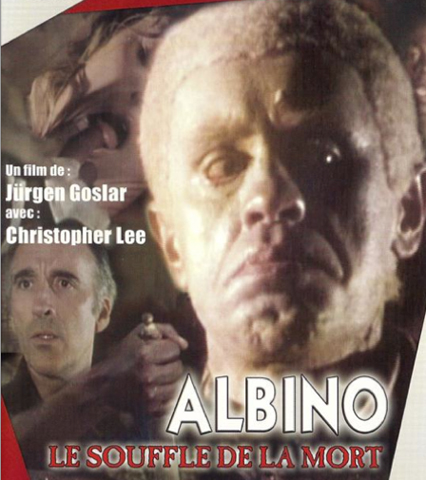
They even made a B-movie called "Albino," released in 1976. The titular character is a murderer, terrorist and a rapist.
In the cable series, "Spartacus: Blood and Sand" this menacing gladiator is not just albino, but also tattooed and scarred. Scary enough for you?
3. Have silly nicknames
Remember 1912's "The Star of the Side Show"? For all the producers' efforts, they couldn't manage to dream up a normal name for her character, she is just called "The Albino." That Tinseltown trend continues for decades...
Many of these characters are simply listed in movie credits as "Albino" or the more distinguished "The Albino." The chuckle-free comedy, "Not Another Teen Movie" (2001) serves up a twist with the "Hippy Albino."
"The Princess Bride" has a huge cult following. For all of the innovative characters and dialogue, this torturing fellow is merely called "The Albino," though his uncredited first name is "Jai."
This horror flick from 1976 is actually called "Albino." The writer opted to give him another name, but not "Joe" or "Simon." Instead, he's called "Whispering Death." Seems like the character's parents, Mr. and Mrs. Death, liked morbid baby names.
When not called "Albino," these characters are often given silly names that riff on pale or white skin. Take the assassin from "Foul Play." He's listed as "Whitey Jackson."
Years before he played the scarred Freddy Krueger in the "Nightmare on Elm Street" series, Robert Englund's first film, "Buster and Billie" (1974) also featured a character with a skin issue: His role as an albino also named "Whitey."
This sympathetic bride with albinism is given sunglasses at her wedding for comic effect in "Nobody's Fool" (1986). Her name is "Alice Whitey." Not clear if this is her maiden or married name.
As Jim Carrey's albino sidekick in "Me, Myself and Irene" (2000), Michael Bowman says that is name is "Casper," but his friends call him "Whitey."
In "Vamp" (1986), this dude is named "Snow."
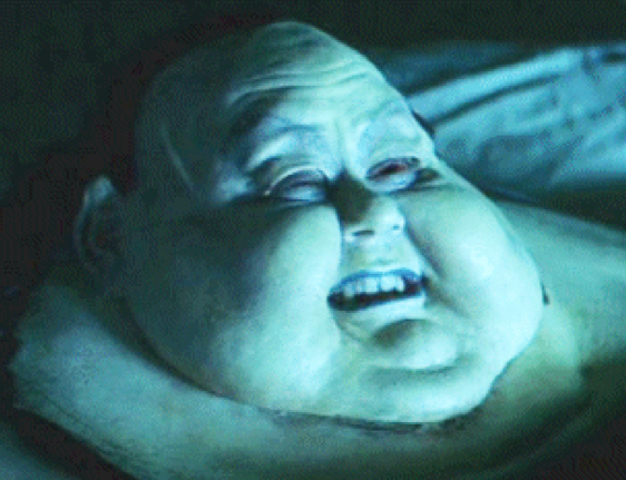
Another vampire, who appears pale and obese in "Blade" (1998) is called "Pearl."
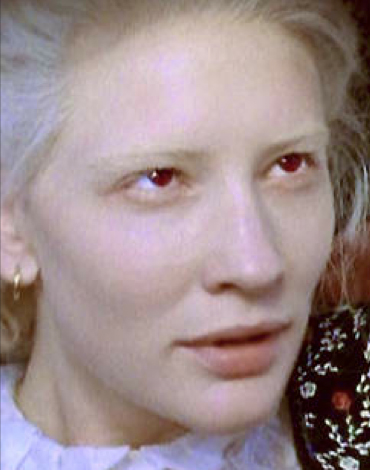
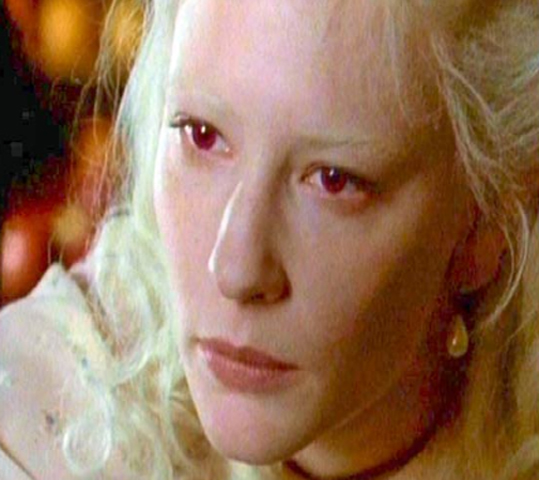
Renowned actress Cate Blanchett is an evil albino chick in the Australia mini series, "Bordertown" (1995). She is "Bianca," which means white in Italian.
In "Disturbing Behavior" (1998), this mellow teen is helpful not harmful. His nickname is also more creative, "U-Vee," short for the ultraviolet radiation that can so damage the skin of people, albinism or not.
Finally, while the titular character in "Powder" is not mean-spirited, his character's name is as cliched as the rest. By not naming these characters authentically, film makers attempt to dehumanize them.
4. Dress entirely in white
"The Albino" from 1912 is sporting a bland-looking white dress. Movie characters with albinism love wearing white even after September.
The killer in "Foul Play" (1978) not only is named "Whitey" but can't resist a sassy white leisure suit that screams '70's era albinism.
In "What's the Worst that Can Happen?" (2001), a fair-skinned detective apparently shares the same color-phobic tailor as the "Foul Play" assassin.
The previously mentioned "Clones" creature invests in intergalactic bleach for her formal wear.
The "Twins" from "The Matrix: Reloaded" (2003) also share a fondness for all white business outfits in stark contrast to the stylish black leather worn by everybody else in the series. In real life, people with albinism are no more likely adopt alabaster attire than the rest of us.
Finally, Azog, the so-called "Pale Orc," is the major villain in "The Hobbit: An Unexpected Journey" (2012). Of all of the wolf-like wargs that he decides to ride, he opts for one that is also albino. No other characters in movies dress to match their skin tone, be they black, brown or green. Once again, this sets albino characters apart as odd and different.
5. Have other health problems
In movies, it doesn't seem enough for an unsavory character just to have albinism. To really stand out from the crowd, they have to have other health problems as well. In the far-from-PC thriller "The Eiger Sanction" (1975), actor/director Clint Eastwood is given assassination orders by the albino character "Dragon." Dragon cannot leave a red lit room, because he says his skin immediately burns. He is obsessed with hygiene and very prone to infection. He tells Eastwood he needs his blood "changed" twice a year and is actually shown having a prolonged blood transfusion.
In "Cold Mountain," Charlie Hunnam's character gets nosebleeds whenever he becomes murderously excited. There is a subset of people with albinism who also have problems with blood clotting and are therefore prone to bleeding and bruising. Known as Hermansky-Pudlak syndrome, the condition does not result in murderous tendencies.
The pre-"Shrek" fairy tale spoof, "The Princess Bride" (1987), stars an evil executioner called the "Albino." While salaciously smiling about his plans to torture the film's hero, the camera zooms in on an obvious herpes lesion at the corner of the mouth.
Herpes, caused by a virus, is common, causing painful cold sores or fever blisters. We are not aware of albinism increasing the risk for lip herpes. Though easily prone to sun burn (and eventually to skin cancer), people with albinism usually have normal immune systems, usually don't excessively bleed and don't have any greater risk for herpes. These depictions mistakenly suggest that in addition to moral badness, albinism is associated with systemic weakness or contagion.
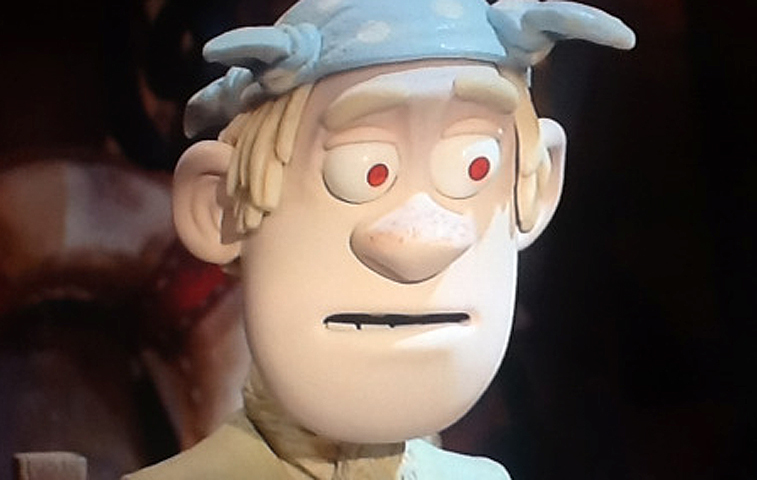
Perhaps the most consistent, and consistently annoying, association seen in movie albinos, is red eyes. Perhaps because rabbits with albinism can have blood red eyes, a Tinseltown trope is that human albinos also have crimson pupils. This goofy but heroic fellow, The Albino Pirate, from "Misfits! A Band of Pirates" (2012) is shown with red claymation eyes.
Academy award winner Cate Blanchett has come along way from her days wearing alabaster makeup in "Bordertown." The red contact lenses magnify her menace.
The "Hippy Albino" is supposed to amuse in "Another Teen Comedy." Her red eyes are creepy instead.
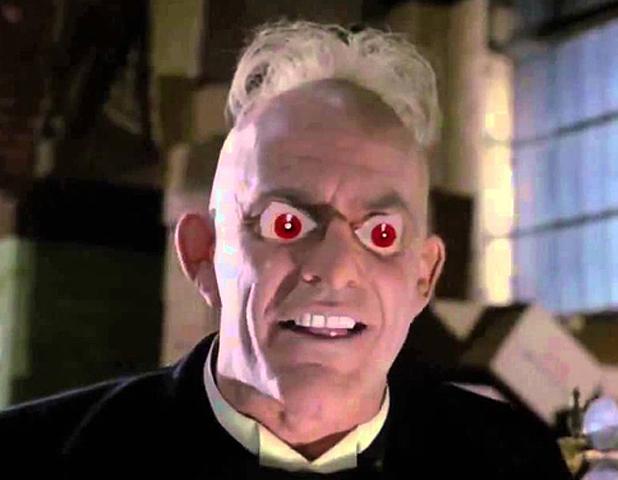
Speaking of creepy, the eyes of Judge Doom from "Who Framed Roger Rabbit" (1988) are literally cartoonish.
In "The Da Vinci Code" novel, Silas is described as an albino with "ghost-pale skin and thinning white hair. His irises were pink with dark red pupils." During the filming of the book's adaptation, criticism of this depiction was made. Whether by coincidence or otherwise, Paul Bettany did not wear red contact lenses for the movie.
6. Meet a grisly end
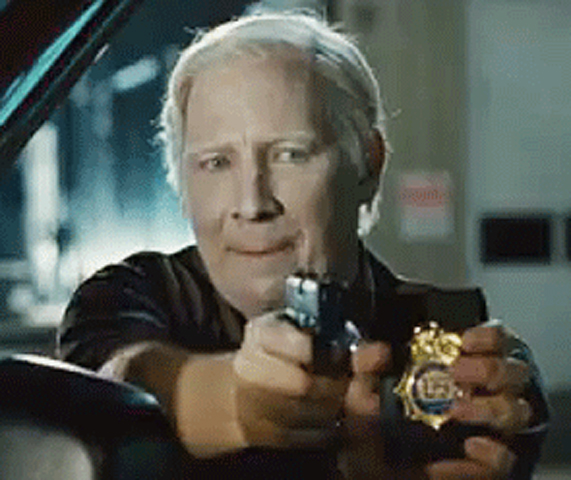
In "The Heat" (2013), this DEA agent is portrayed with albinism. Though not an assassin, he is nonetheless the butt of relentless albino jokes by Melissa McCarthy. Then, partway through the film, he is viciously slain by the man he thought was his partner. This is the common ending for these characters: They are brutally murdered.
These evil characters are never carted off in handcuffs. They are usually beaten, burned, or shot. In the final confrontation of "Cold Mountain," Jude Law faces off with the albino marksman and kills him, only after taking a lethal bullet himself. The implication is that the only good albino is a dead one.
In the "Life and Times of Judge Roy Bean," Bad Bob the Albino is shot by Paul Newman in the back and the camera zooms in on the gaping hole left by the bullet.
Christopher Walken is left hanging off the Golden Gate by James Bond in "A View to a Kill." Rather than be hoisted up and put behind bars, 007 gets a view of him dying as he falls from the span.
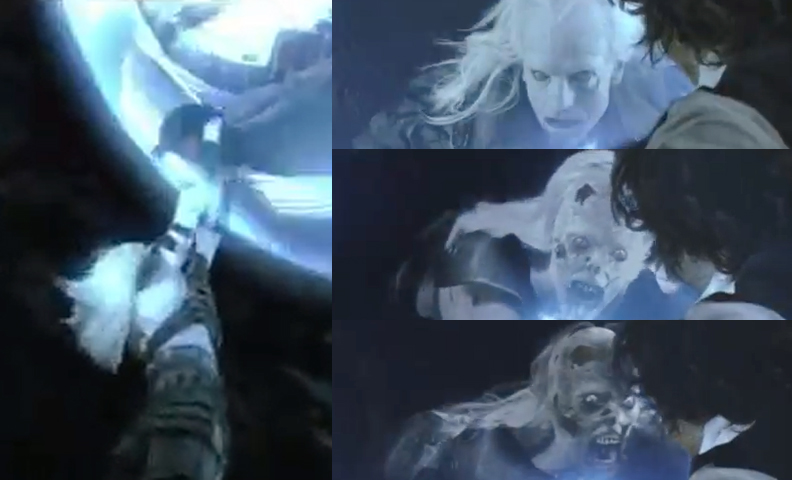
As the Uber Morlock, esteemed actor Jeremy Irons is Uber charismatic as a futuristic albino leader.
Charisma doesn't save him. As Guy Pierce attempts to escape in his time machine, Irons grabs him by the neck from outside of the orb. He proceeds to grotesquely disintegrate as the orb lifts off.
In Powder, the sympathetically portrayed protagonist has more than just albinism and bald pate. He also is a genius, is kind with animals, and can channel all manner of electric current. Ostracized by a small town, he runs Christ-like through the fields of waving wheat, and is struck by lightning from above. Nice guys with albinism don't just finish last. They get zapped by lightning from a vengeful God. Even with all of Powder's good qualities, it is clear from the opening scenes that this movie won't be the start of any franchise. All of these "rules," the lack of a true name, wearing white, appearing ill and murderous, allow audiences to emotionally distance themselves from these characters. So when the script calls for a violent death, the albino doesn't register as a sympathetic human, and viewers can cheer their demise.
There’s one more rule, that’s a condition all to itself…
Next »
« Back